1
/
of
1
Toolia Työkalumaailma
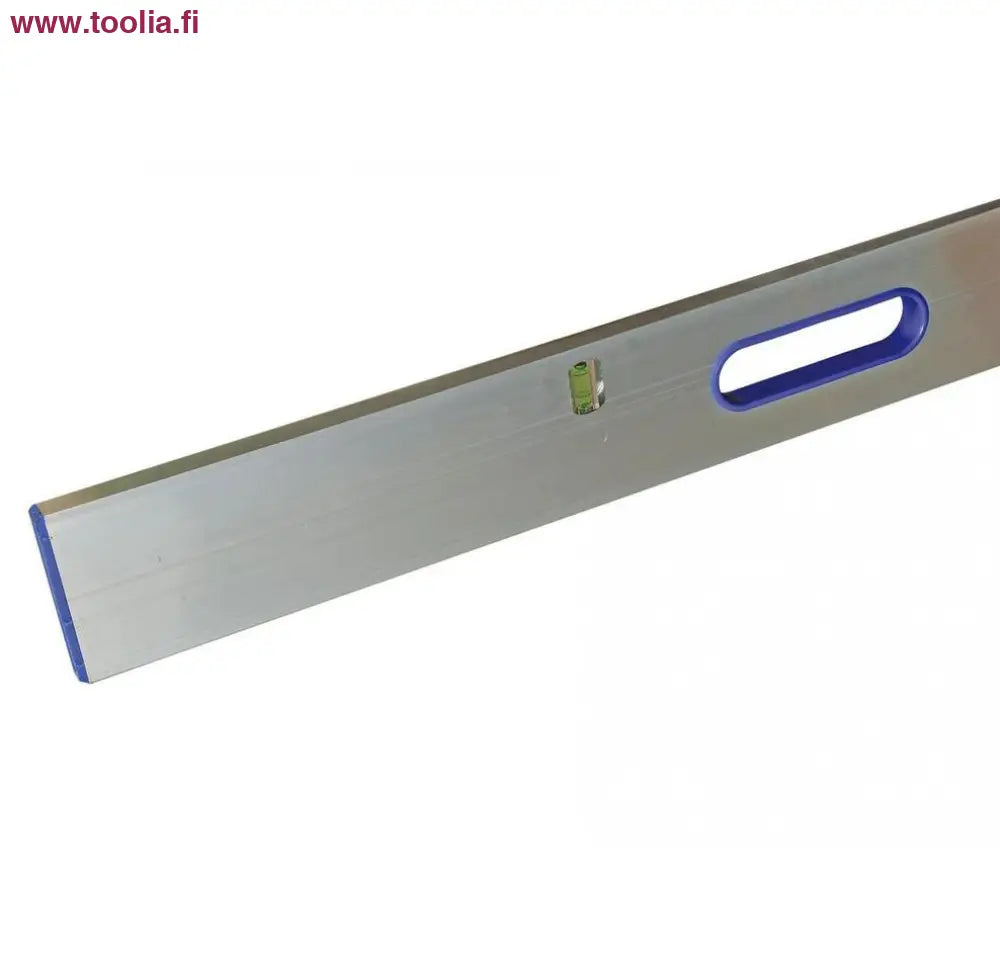
Schwan aluminum ruler 300 mm, beveled, without handles
Schwan aluminum ruler 300 mm, beveled, without handles
Regular price
€49,95 EUR
Regular price
Sale price
€49,95 EUR
Taxes included.
Shipping calculated at checkout.
Quantity
Couldn't load pickup availability
The Schwan Aluminum Ruler is a lightweight and sturdy ruler without handles, designed specifically for situations where precise leveling of height differences and surfaces is required. It is suitable for tiling, concrete and leveling work as well as masonry and finishing work where small height differences need to be controlled.
The frame is made of aluminum, which makes the product light to handle but rigid enough to maintain a line over a long length. The product is available in several different lengths (100, 100 beveled, 150, 200, 250, 300 cm), allowing you to choose according to the needs of the jobsite.
The aluminum construction ensures corrosion resistance and adapts to varying jobsite environments without the risk of rust. In addition, aluminum allows for precise shaping and edge retention even after long-term use.
Intended use
Here are some typical use cases and target groups:
Leveling and tiling work: The aluminum ruler is used for precise alignment of leveling layers (e.g. cement-based screeds) and adjustment of height differences. The user can move the ruler on the surface of the leveling material and ensure that the surface becomes flat to the desired extent.
Concrete and casting installations: When casting floors or base elements, the ruler serves as a measuring and guiding tool for finishing the concrete surface and ensuring height differences.
Masonry and plastering work: On construction sites, small height differences in masonry or plastering can be leveled using a linear tool before more extensive surface treatment.
Construction and maintenance work, new construction and renovation projects: Because the product is lightweight and durable, it is suitable for both new construction and renovation projects, where complex surfaces and unevenness need to be controlled.
For each of these applications, the customer can choose the length that best matches the dimensions of the object and use the product without a handle or add a suitable handle solution locally.
Features
Listed below are the technical and functional features and their benefits:
Material construction: aluminum - Lightweight but sturdy material, corrosion resistant and easy to handle on the jobsite.
Profile: 1.2 mm
User manual
Maintenance & Storage:
Store the ruler in a clean and dry place, protected from impacts.
Regularly check the edges for corners and straighten any minor distortions with a light sanding tool if necessary.
Avoid strong impacts to the edges or corners, as the aluminum can be damaged by sharp edges.
If the surface of the ruler is scratched, light sanding with fine sandpaper and surface oil (if necessary) can restore usability.
How to choose the right ruler
When choosing, you should consider the following points:
Work area width/length: Choose a ruler that is at least as wide as the work area or slightly longer so that the entire surface can be reached in one stroke. A ruler that is too short will limit efficiency and may require multiple partial strokes.
Intended use and tolerance requirements: If the work requires very precise surface flatness (e.g. floor tiles), it is worth choosing a ruler made of a durable material (such as aluminum) that has minimal deflection over a long distance.
Weight and ergonomics: A lightweight ruler reduces user fatigue during long work periods, but it must be stiff enough to maintain a straight line.
Handle options: Since this product does not come with handles, consider whether you want to add them – attachment points or adapters are worth considering.
Transportation and handling needs: Extra-long lines (e.g. 300 cm) may be more difficult to transport to the jobsite – ensure transportation options and storage facilities.
Maintenance and longevity: Choose a material that can withstand jobsite environments (debris, sparks, abrasion). Aluminum offers a good combination of weight and corrosion resistance.
Warnings
Avoid strong impacts to edges or corners, which can damage the aluminum profile.
Do not use the product if it is bent or damaged - this may cause inaccuracies.
Clean gently – do not use sharp objects that may scratch the surface.
Pay attention to the length – a line that is too long for the construction site can cause administrative inconvenience and a risk of damage during transportation.
Frequently Asked Questions (FAQ)
How to choose the right length? Choose a ruler that is at least as wide as the area you are working on, preferably a little longer so that you can cover the entire area in one stroke.
How often should the liner be maintained? It is recommended to check and clean the liner after each working day. Light sanding to repair wear if necessary.
Is the liner developed to resist corrosion? The aluminum material itself is corrosion resistant compared to iron materials, so its maintenance is relatively easy.
Recycling instructions
Packaging materials (e.g. boxes, protective plastic) should be recycled as paper or plastic according to local recycling guidelines.
Aluminum main part: when the product is no longer in use, the aluminum parts should be delivered to a metal recycling center or a recycling center that provides metal collection materials.
Share