Toolia Työkalumaailma
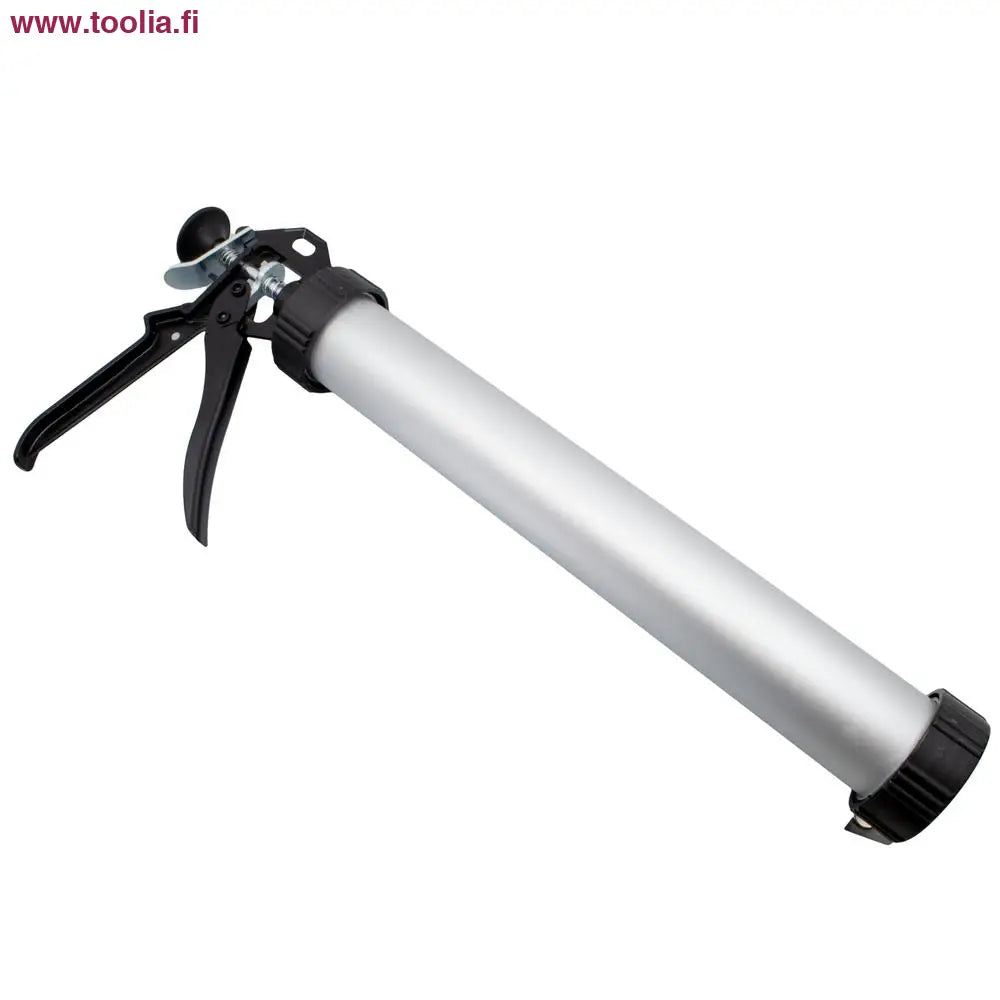
Stanford Pulp press 600 ml + nozzle
Stanford Pulp press 600 ml + nozzle
Couldn't load pickup availability
The Stanford Caulking Gun 600 ml + Nozzle is specially designed for professional sealing and jointing work, suitable for dispensing a wide range of compounds, such as silicone, acrylic, polyurethane and adhesive compounds. Its 600 ml capacity allows the use of larger packages of compound, which is especially useful for large projects where continuous application of compound is required without interruptions for changing cartridges. This makes the gun an efficient and time-saving tool for construction, renovation and installation sites.
The sturdy construction and ergonomic design of the press ensure comfortable and controlled use even during long working periods. The press mechanism is designed to provide a smooth and controlled flow of the compound, which enables precise and neat joints. This is essential for achieving a high-quality end result, as a smooth joint not only looks better, but also seals more effectively and more durable. The included nozzle ensures precise alignment and application of the compound.
The caulk gun is suitable for a wide range of applications, such as sealing windows and doors, caulking bathrooms and kitchens, filling cracks, bonding building boards and other sealing and bonding tasks. It is an essential tool when it comes to ensuring airtight and watertight joints that prevent moisture, drafts and dust from entering structures. Its ability to handle different types of caulk makes it a very flexible tool, suitable for a wide range of materials and conditions.
Intended use:
Window and door sealing: The Stanford Caulking Gun 600 ml is the ideal tool for sealing window and door frames and sashes, both indoors and outdoors. It allows you to apply silicone, acrylic or other sealants evenly and neatly, which improves the energy efficiency of the building by preventing drafts and moisture from penetrating into the interior. The nozzle allows you to precisely apply the sealant even into narrow gaps.
Bathroom and kitchen grouting: This grouting gun is ideal for grouting wet areas such as bathrooms and kitchens. It allows for precise and clean application of anti-mold silicone or other moisture-resistant grouts, for example between tiles, around sink edges and in shower enclosures. Professional grouting prevents moisture damage and keeps surfaces hygienic.
Crack filling and repair: A caulk gun can be used to fill various cracks and crevices in walls, floors or other structures. For example, acrylic caulk can be used to smooth drywall joints or fill small cracks before painting. A caulk gun with a larger capacity is effective for handling even large surfaces.
Bonding building boards and materials: A glue gun is also useful for bonding different building boards, such as plasterboard, plywood or insulation boards, to a frame or to each other. It allows for precise and even application of the adhesive, ensuring a strong and durable bond. This is especially important when you want to avoid the use of screws or nails and achieve a smooth surface.
General sealing and installation work: The press is a universal tool for many other sealing and installation jobs, such as sealing ventilation ducts, sealing pipe penetrations or installing garage door seals. It can be used to work with a variety of compounds, making it a versatile tool on construction sites and renovation projects.
Package contents:
1 pc Stanford Mass press 600 ml
1 pc Nozzle (universal model, or recommended by the mass manufacturer)
Features:
Mass capacity: 600 ml - Suitable for use with larger mass packs, reducing the need to change cartridges on large projects.
Compatibility with sealant types - Suitable for use with silicone, acrylic, polyurethane and other common sealants and adhesives.
Sturdy construction - Made of durable materials that ensure long service life and reliability in demanding use.
Even mass dispensing - The mechanism is designed to provide a controlled and even mass flow for clean and precise jointing.
Ergonomic handle - Designed for a comfortable grip and to reduce user fatigue during long work periods.
Includes nozzle - Enables immediate use and precise mass placement. Nozzles are usually interchangeable depending on the intended use.
Stanford Pulp Press 600 ml user manual:
Overview: The Stanford 600ml Caulking Gun is designed for dispensing a variety of sealants and adhesives, including silicone, acrylic and polyurethane. It is suitable for professional use and handling larger packages of caulking.
Introduction:
Prepare the paste: Use a 600ml bag or cartridge. If using a bag, cut a small piece off the corner of the bag for the paste to come out. If using a cartridge, cut the tip of the cartridge to fit and attach the nozzle provided.
Place the mass in the press:
Bagged media: Insert the media bag into the press tube from one end. Make sure the bag is placed straight and evenly inside the press tube.
Cartridges: Place the cartridge into the press tube and make sure its bottom rests against the press piston.
Push the plunger into place (if cartridge model): On some models, the plunger is separate and is pushed into one end of the press tube. Make sure the plunger is facing the right way and firmly in place.
Before grouting: Squeeze the handle a few times to start the compound flowing into the nozzle and to remove air bubbles.
Use:
Align the nozzle: Place the nozzle at the start of the joint to be sealed. The angle of the nozzle should be such that the compound is pressed evenly into the joint.
Apply the compound: Squeeze the handle in a smooth, controlled motion while pulling the clamp forward along the seam. Try to keep the pressure and speed of movement consistent so that the seam is the same thickness and width throughout.
Smooth motion: Avoid stopping in the middle of a seam if possible. If you have to stop, try to continue from the same point in a smooth motion.
Finishing the joint: Once the joint has been pressed, you can smooth it out with a silicone spatula, a damp finger (with gloves on) or a jointing trowel to achieve the desired finish. Do this immediately after applying the compound, before the compound starts to harden.
Changing the pulp and emptying the press:
Release Pressure: When the job is complete or you are changing the pack of adhesive, release the pressure on the press piston by pressing the release lever or button (usually near the handle). This will prevent adhesive from flowing out of the nozzle.
Remove the pulp: Pull the plunger all the way back and remove the used pulp pack from the press.
Maintenance and storage:
Cleaning: Clean the nozzle and the tip of the press carefully immediately after use, before the compound hardens. Some compounds (e.g. acrylic) are water-soluble before hardening and can be cleaned with water. Other compounds (e.g. silicone, polyurethane) require a special cleaning agent.
Storage: Store the pulp press in a dry and clean place.
Safety instructions:
Always wear appropriate protective gloves and goggles when working with the masses.
Always read and follow the pulp manufacturer's own safety instructions and instructions for use.
Work in a well-ventilated area, especially if you are using solvent-based compounds.
Keep the pulp press and pulps out of the reach of children.
How to choose the right pulp press:
Choosing the right grout press is essential for a successful and clean sealing or jointing job. There are several different types and models of presses on the market, and when choosing one, several factors must be taken into account that affect the efficiency and end result of the work.
The first and most important selection criteria is the type of pulp and the package size you plan to use. The most common pulp presses are designed for standard 310 ml cartridges. However, if you are using a lot of pulp or larger package sizes, such as 400 ml or 600 ml bags, you will need a press designed for this purpose, such as a bag press. Always check that the press is compatible with the type of pulp package (cartridge, bag) and size you are using.
Another important consideration is the required clamping force and mechanism. Lightweight and inexpensive clamps are well suited for dispensing acrylic and lightweight silicone compounds. If you are working with heavier and stiffer compounds, such as polyurethane or adhesive compounds, you will need a more powerful clamp with a higher clamping ratio (e.g. 12:1 or 18:1). Pneumatic (air-powered) or battery-powered clamps offer the highest clamping force and make it easier to work for long periods of time, but they are more expensive.
Ergonomics and comfort are also important, especially if you work for long periods of time. Choose a press with a handle that feels comfortable in your hand and provides a good grip. A good grout press minimizes user fatigue and promotes a smooth seam. Some models also have a drip stop that prevents grout from dripping from the nozzle when the handle is released, keeping your workspace cleaner.
The durability and construction of the materials are also important to consider. Professional-grade presses are made of durable materials, such as metal, and are designed to withstand heavy use. Cheaper plastic presses may be fine for occasional use, but they won’t hold up to long-term or heavy use. Check that the press’s trigger and piston mechanism are sturdy and operate smoothly.
Finally, consider additional features. Some presses include a built-in cutter for cutting the tip of the pulp cartridge or a cleaning pin to clear nozzle blockages. These small features can make your job easier and improve your user experience. In summary: choose a pulp press based on the type of pulp and package size, the required pressing force, ease of use, and the durability of the materials to get the right tool for the job and to last.
Why choose Stanford Pulp Press 600 ml:
The Stanford Caulking Gun 600ml is an excellent choice when you are looking for an efficient and high-capacity tool for professional caulking and jointing work. The most significant advantage of this gun is its 600ml capacity, which allows the use of large caulking packages. This is a critical feature when working on large areas or when you want to minimize the need to change caulking cartridges, which significantly improves workflow and saves time on large construction and renovation projects.
The compactor's sturdy construction and consistent dispensing ability set it apart. Although the compression force ratio is not specified in more detail, the description states that it provides "a consistent and controlled flow of grout", which is essential for achieving a clean and professional joint. This feature ensures that the grout is applied evenly and without bubbles, which improves the tightness and durability of the joint. The included nozzle ensures precise alignment and application of the grout, and this is also in line with the selection criteria for the right grouting tool, as it ensures immediate readiness for use.
The compatibility of the press with several types of pastes (silicone, acrylic, polyurethane, adhesives) makes it a very versatile tool. You do not need to purchase separate presses for different pastes, which is cost-effective and practical. This wide compatibility allows the press to be used in a wide variety of projects, from jointing wet rooms to gluing building boards. The Stanford Paste Press 600 ml is therefore a reliable, versatile and efficient choice for professionals and demanding users who need a durable and high-capacity paste press.
Warnings:
Wear protective equipment: Always wear protective gloves and goggles when working with mastics. Many mastics can irritate the skin and eyes.
Read the manufacturer's instructions: Always follow the manufacturer's safety instructions and safety data sheet for the material you are using. They contain important information about handling, ventilation and first aid measures.
Ventilation: Work in a well-ventilated area, especially if you are using compounds that contain solvents or release strong fumes.
Not for food use: The pulp press and its nozzles must not be used with food.
Blockages and pressure: If the nozzle becomes blocked, first relieve the pressure in the press before attempting to clean it. Do not use excessive force as this may result in uncontrolled discharge of the mass or breakage of the press.
Correct type of pulp: Make sure the pulp press is compatible with the type of pulp you are using (e.g. bagged pulp, cartridge). Using the wrong type of pulp can damage the press or prevent it from functioning.
Children's reach: Keep the pulp press and all pulps out of the reach of children.
Frequently Asked Questions, FAQ:
What is this pulp press suitable for?
Stanford Caulking Compound 600 ml is suitable for professional sealing and jointing work, such as sealing windows and doors, caulking bathrooms and kitchens, filling cracks and bonding building boards. It is designed for use with large bulk packages.
What types of pulp can be used with this press?
This caulking gun can be used with silicone, acrylic, polyurethane and various adhesives in general. It is compatible with 600 ml caulking packages.
What is the difference between a 600 ml pulp press and a smaller press?
The biggest difference is in capacity. The 600 ml press allows for the use of larger bulk packs, which reduces the need to change cartridges and makes working on large projects more efficient compared to the smaller 310 ml cartridge presses.
How do I clean the pulp press after use?
Clean the nozzle and the tip of the press carefully immediately after use before the compound hardens. Water-soluble compounds (e.g. acrylic) can be cleaned with water, while other compounds (e.g. silicone) often require a separate cleaning agent.
Is the nozzle included in the package?
Yes, the Stanford Pulp Press 600 ml comes with a nozzle, so it is ready to use straight away. Nozzles are usually also replaceable as needed.
Can this press be used to get a clean seam?
Yes, the mechanism of the press is designed to provide a smooth and controlled flow of grout, which helps to create a neat and professional seam, as long as the grout is applied with a smooth motion and proper technique.
Share